






A home inspection is one of the most important steps in the home buying process—but it can also be one of the most stressful.
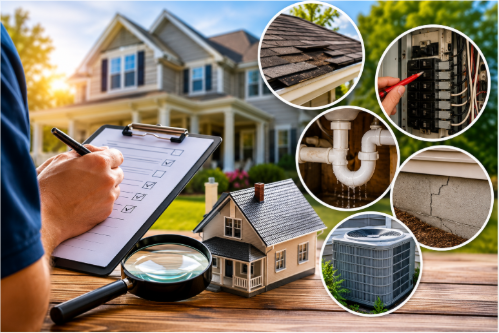
At Signature ONE Realty Group, we’ve seen how inspection reports can surprise buyers, even after they’ve found what feels like the perfect home. The truth is simple: every home has issues. The goal is not to find a “perfect” house, but to understand the condition of the home you’re buying so you can make confident, informed decisions.
In the Capital Region, where homes range from historic properties to new construction, certain inspection issues come up again and again. Here are the top 5 most common home inspection findings you should be prepared for.
Roof Problems
Roof issues are one of the most frequently reported concerns during home inspections.
Even if a roof looks fine from the street, inspectors often uncover hidden problems such as:
- Missing or damaged shingles
- Aging roofing materials nearing end of life
- Improper flashing around chimneys or vents
- Small leaks that lead to attic moisture
- Gutter blockages causing water backup
Why it matters:
Roof repairs or replacement can be one of the most expensive home maintenance costs. Even minor issues can lead to water intrusion, mold, and structural damage if not addressed early.
What buyers should do:
- Ask for the roof’s age and maintenance history
- Request contractor evaluation for older roofs
- Use findings for negotiation when appropriate
Electrical System Issues
Electrical concerns are extremely common, especially in older Capital Region homes.
Inspectors often find:
- Outdated electrical panels
- Overloaded or insufficient circuits
- Aluminum wiring in older properties
- DIY or unpermitted electrical work
- Missing GFCI protection in key areas
Why it matters:
Electrical issues are not just inconvenient—they can be safety hazards and fire risks. They can also affect insurance approval and financing in some cases.
What buyers should do:
- Request clarification on panel age and capacity
- Hire a licensed electrician for evaluation if flagged
- Budget for possible upgrades in older homes
Plumbing Problems
Plumbing issues are another frequent inspection finding, especially in older homes or properties that have not been recently updated.
Common problems include:
- Hidden pipe leaks
- Corroded or outdated piping materials
- Low water pressure
- Slow or clogged drains
- Water heater nearing end of life
Why it matters:
Even small leaks can lead to major water damage, mold growth, and expensive repairs if left unnoticed.
What buyers should do:
- Check under sinks and visible plumbing areas during showings
- Ask for water heater age and service records
- Consider a plumbing inspection for older homes
Foundation and Structural Concerns
Structural issues are less common than cosmetic problems—but they are often the most serious.
Inspectors may identify:
- Foundation cracks (vertical, horizontal, or stair-step)
- Uneven or sloping floors
- Doors and windows that stick or don’t align
- Signs of settlement or shifting
- Water intrusion near the foundation
Why it matters:
Structural problems can affect the safety, stability, and long-term value of the home. Repairs can range from minor to extensive depending on severity.
What buyers should do:
- Don’t ignore visible cracks or uneven flooring
- Consider a structural engineer evaluation if flagged
- Use inspection findings for negotiation or repair requests
HVAC System Issues
Heating and cooling systems are essential for comfort—and expensive to replace.
Common HVAC findings include:
- Aging or inefficient systems
- Dirty filters and lack of maintenance
- Poor airflow or uneven temperatures
- Leaky or damaged ductwork
- Systems near or past expected lifespan
Why it matters:
Replacing an HVAC system can cost thousands of dollars. Even minor issues can affect energy efficiency and indoor air quality.
What buyers should do:
- Ask for maintenance records
- Check system age before purchase
- Schedule servicing if system condition is uncertain
Final Thoughts
Home inspections are not meant to scare buyers—they’re meant to protect them.
At Signature ONE Realty Group, we help our clients understand inspection reports in a clear, practical way so they can make smart decisions about their purchase. Most issues discovered during inspections are manageable, especially when identified early.
The key is knowing:
- What’s normal wear and tear
- What needs repair now
- What can be negotiated before closing
Work With Signature ONE Realty Group
Buying a home in the Capital Region?
We’re here to help you:
- Navigate inspections with confidence
- Understand repair priorities
- Negotiate effectively on your behalf
- Find a home that truly fits your needs
Signature ONE Realty Group Helping you move with clarity and confidence.
References:
- American Society of Home Inspectors (ASHI) – Home Inspection Resources https://www.homeinspector.org/Homebuyers-and-Sellers
- U.S. Department of Housing and Urban Development (HUD) – Buying a Home https://www.hud.gov/topics/buying_a_home
- InterNACHI (International Association of Certified Home Inspectors) – Home Inspection Articles https://www.nachi.org/home-inspection-articles.htm
- U.S. Consumer Product Safety Commission (CPSC) – Home Safety https://www.cpsc.gov/Safety-Education/Safety-Guides/Home
- U.S. Department of Energy – Heating and Cooling https://www.energy.gov/energysaver/heating-and-cooling
